Is It Possible to Learn English Without a Teacher? A Comprehensive Guide to Learning Online in an Organized Way – Fahmi Stein Platform
Introduction
Can you learn English without a teacher? This is a question many learners ask in the age of digital education.
With the spread of learning platforms and the availability of online resources, learning English independently has become a realistic and easily accessible option.
However, between success and failure, there is one decisive factor: the learning method itself.
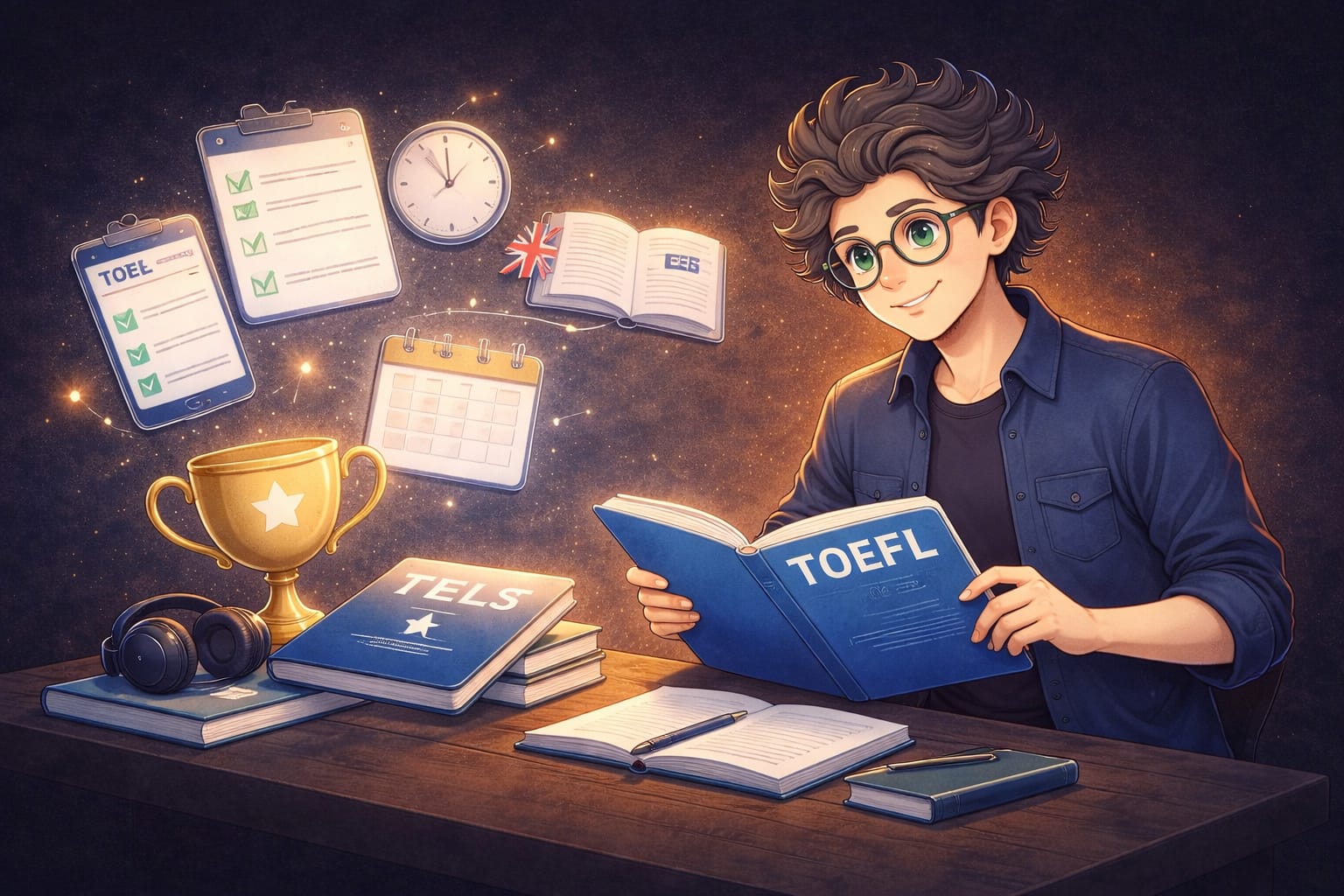
In this comprehensive guide, you will learn how to study English online in a structured way, and discover the best self-learning methods to develop your language skills step by step—up to preparing for TOEFL and IELTS exams.
Can You Really Learn English Without a Teacher?
The answer is: Yes, absolutely.
But only if learning is built on a clear and organized plan—not random attempts.
Learning without a teacher does not mean learning without guidance. It means self-directed learning based on a clear training system that guides the learner step by step toward their goal.
Learning English Online: Between Success and Failure
The difference between success and failure in learning English online is not about intelligence or the number of hours studied, but rather the learning approach.
Random learning leads to distraction, while systematic learning produces tangible and measurable results in a relatively short time.
The result: faster improvement and greater confidence in real-life practice.
The Difference Between Random and Structured Learning
Let’s take a look at the core difference between the two approaches:
Random learning:
Relies on watching scattered videos or using many apps without a plan.
Result: no consistency and no real evaluation.
Structured learning:
Based on clear levels, precise goals, and weekly evaluations.
Result: continuous progress and a solid language foundation.
Structured learning is the key to learning English smartly, not just with more effort.
Best Methods for Self-Learning Languages
To achieve real results in self-learning English, follow these methods:
- Accurately determine your level according to CEFR standards.
- Break goals into short, measurable stages.
- Commit to short daily practice sessions (30–60 minutes).
- Review mistakes regularly and track progress week by week.
These simple steps form the foundation of any successful self-learning plan.
The Four Language Skills and Their Importance
Any effective language-learning plan must balance all four skills:
- Reading: to improve vocabulary and overall comprehension.
- Listening: to develop pronunciation and accent.
- Writing: to enhance academic and professional expression.
- Speaking: to gain fluency and self-confidence.
Neglecting any skill leads to imbalance and weak real-world communication.
The Role of Structured Learning in Improving English
Structured learning transforms random attempts into an effective training system.
It helps you analyze weaknesses, create a plan to address them, and measure results weekly.
Simply put: what gets measured gets improved—this is the philosophy of successful learning.
How Does the Fahmi Stein Platform Help You Learn Without a Teacher?
The
<a href="https://www.ezacademy.com.tr/" title="Fahmi Stein Platform for Learning English and International Exams">Fahmi Stein Platform</a>
is based on structured learning paths and periodic performance reports that show your weekly progress.
Platform features:
- Accurate CEFR-based placement test
- Learning plan built on realistic goals
- Interactive exercises covering all skills
- Performance tracking and smart improvement recommendations
In this way, learning English without a teacher becomes practical and effective—because the platform itself acts as a smart coach guiding you step by step.
Global Standards and Their Importance
Most self-learning English programs rely on the well-known European CEFR framework to define levels.
This system provides a common language for evaluating proficiency and identifying the skills needed to move from one level to the next.
Official CEFR Standards
Studies on the Effectiveness of Structured Learning
Recent digital education studies indicate that structured learning increases success rates by more than 60% compared to unstructured learning.
View the research via the Educause website.
Global Demand for the English Language
English is currently the most in-demand language worldwide in education, business, and technology.
According to Statista, the number of English learners worldwide has exceeded 1.5 billion people.
Statista statistics on the English language.
Frequently Asked Questions About Learning English Without a Teacher
Is self-learning suitable for beginners?
Yes, as long as it is structured and starts with simple, progressive content.
How long does it take to see improvement?
From 4 to 8 weeks are enough to notice a clear improvement in comprehension and pronunciation, provided you stick to a daily routine.
Do I need many resources?
No. Organization and source quality matter more than quantity.
Conclusion
Learning English without a teacher can be highly successful when it is structured and based on clear goals.
One practical way to apply this is through the
<a href="https://www.ezacademy.com.tr/" title="Fahmi Stein English Learning Platform">Fahmi Stein Platform</a>
which helps you learn independently through a well-designed plan that enables you to develop your skills to an advanced level and prepare confidently for TOEFL and IELTS exams.
Similar Articles